






Six days on the glacier rewired how I read a slope. The coaches watched every turn, and by Friday I was linking lines I would have avoided for years.

European alpine ski camps · Winter 2026
Alpine lodges and chalets still smell of freshly chopped timber, and they carry that inimitable feeling of a mountain life. Each winter we gather riders, coaches and families in the Alps for a season of long turns, longer dinners and honest snow.
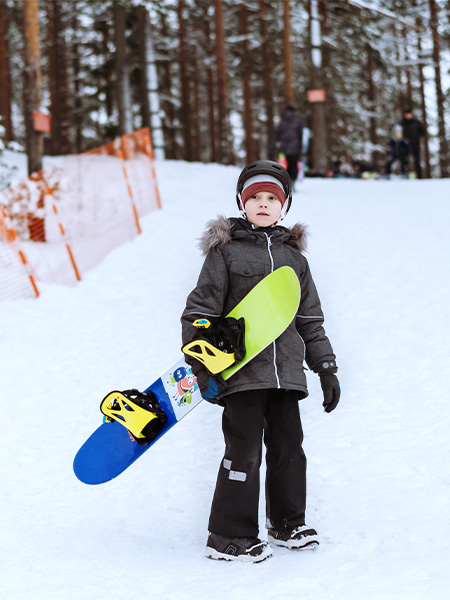
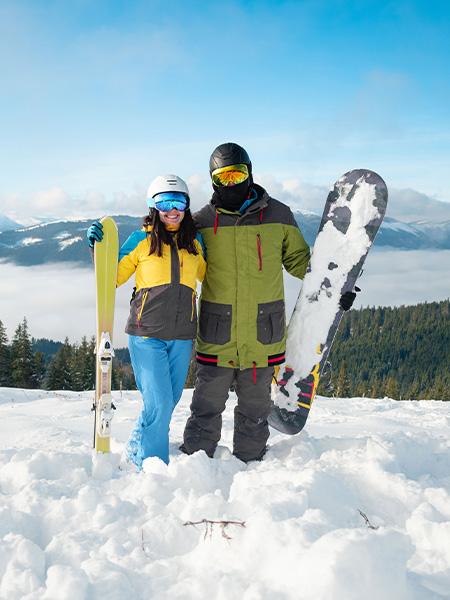
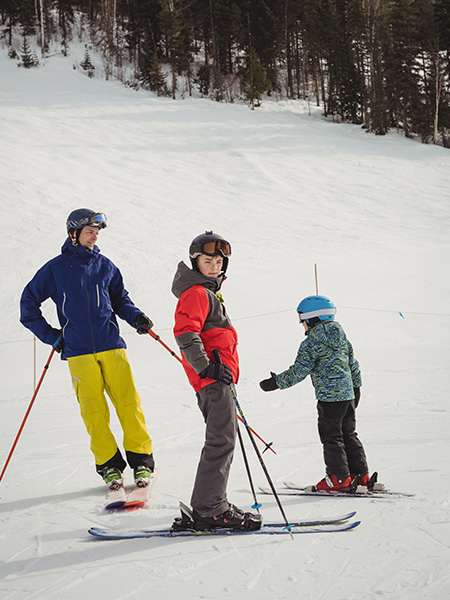
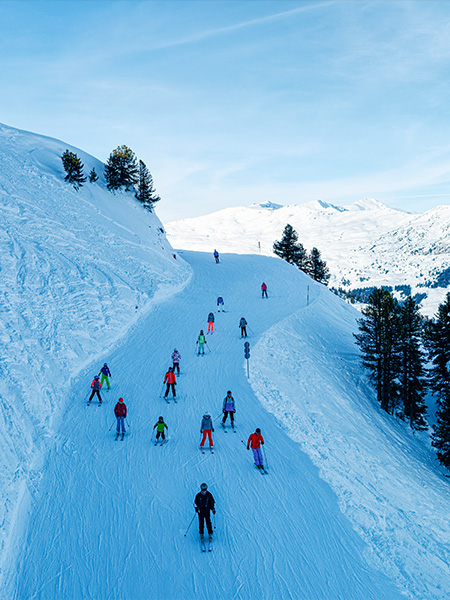
Let's learn to ski — Kids
01 / 04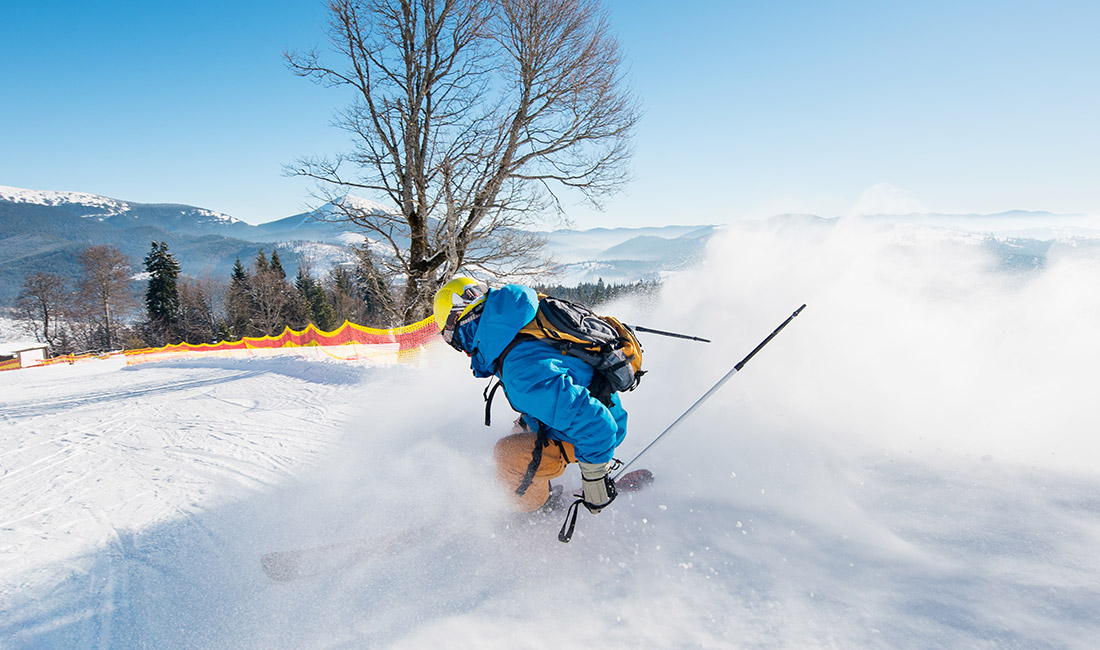
Two narrow valleys, a season of snow and a small crew of coaches who never stopped exploring. We open doors that stay closed to most, and we take you through them slowly enough to enjoy the view — and the occasional long lunch in a mountain hut.
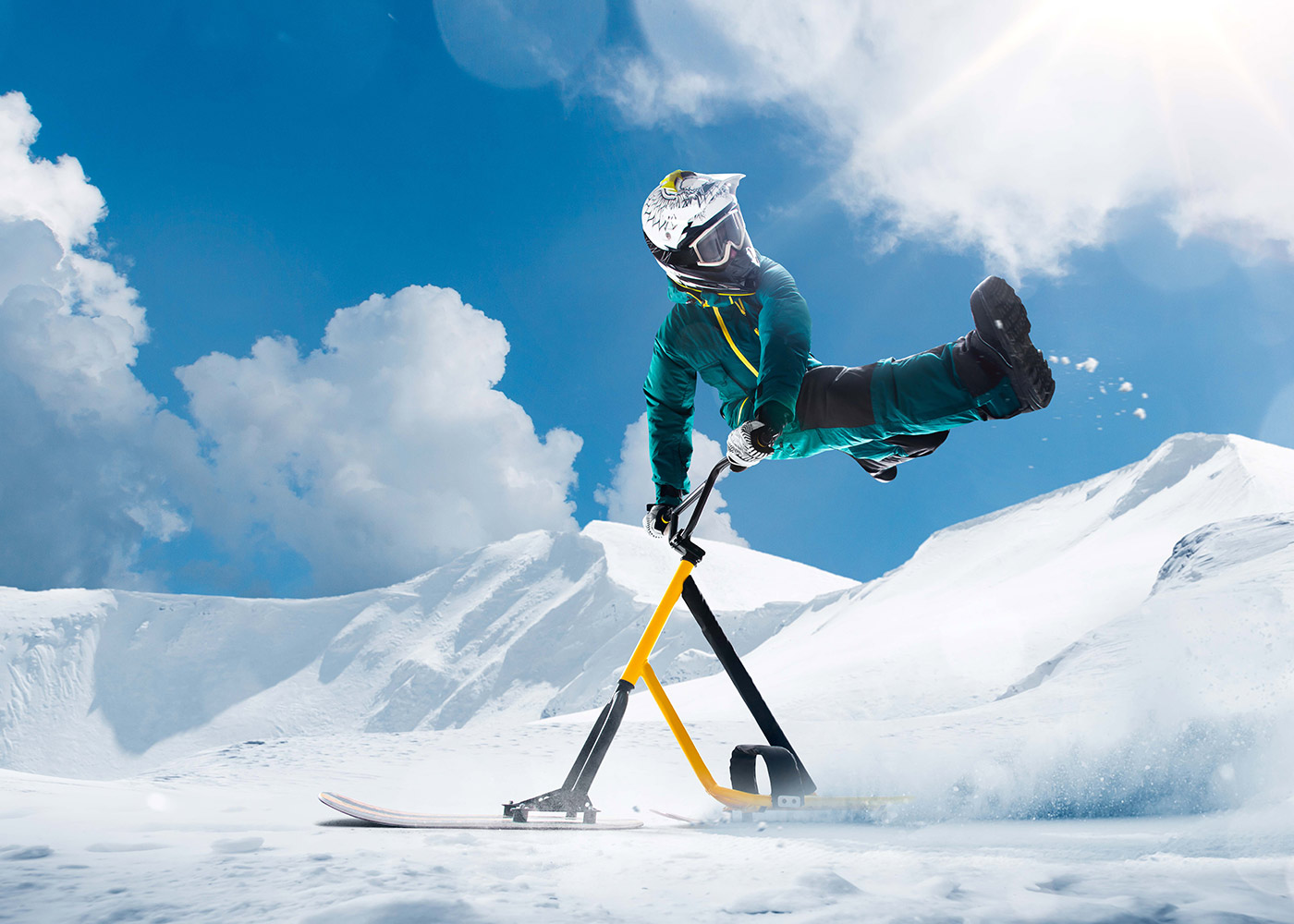
Together with those who refuse to settle.
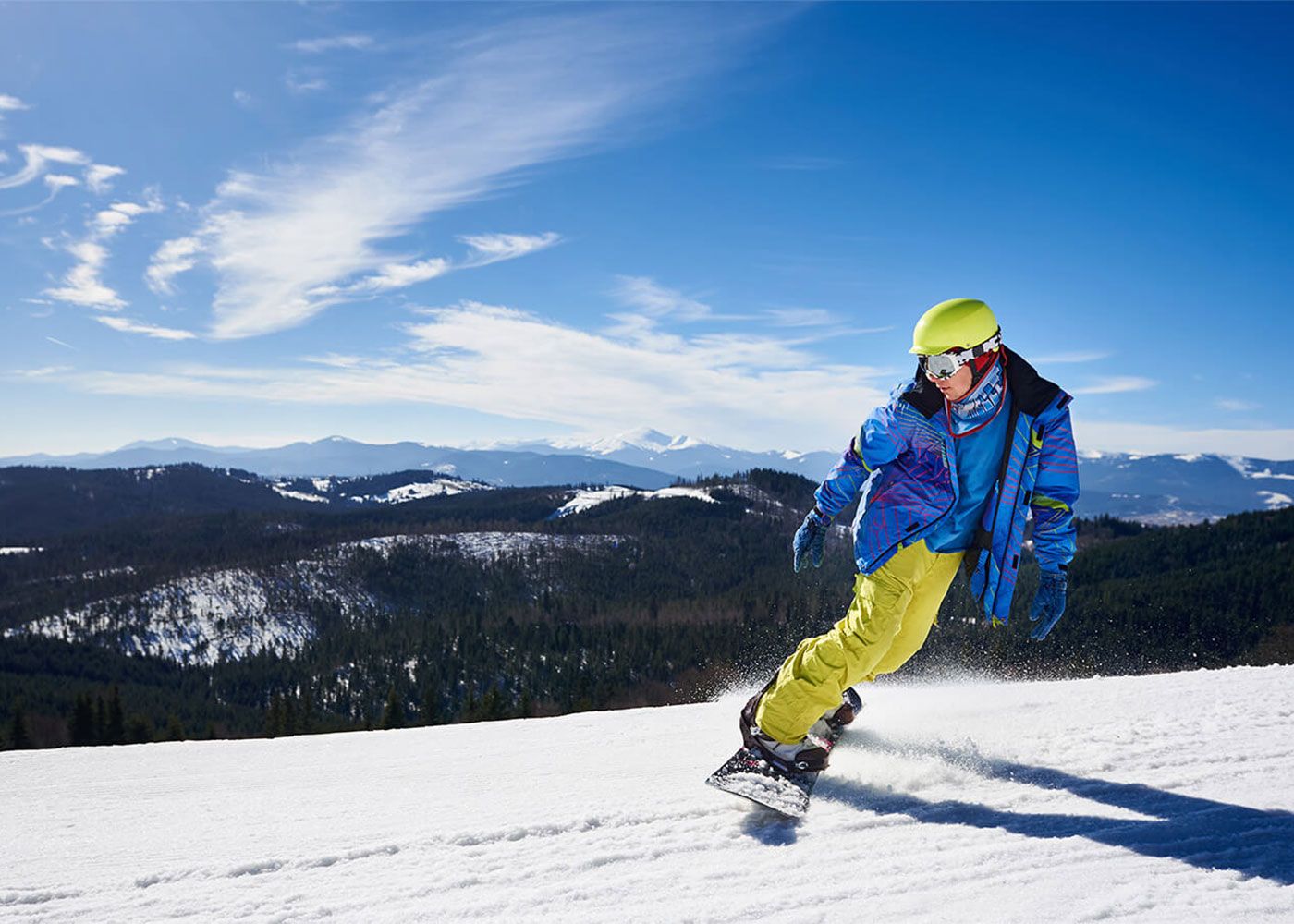
I think the most important thing in skiing is you have to be having fun. If you're having fun, then everything else will come easy to you.
Boots fitted, edges tuned and skis waxed before every session on the mountain.
From forgiving nursery slopes to steep off-piste lines for the returning rider.
Every coach holds a national alpine licence and years of guiding in the Alps.
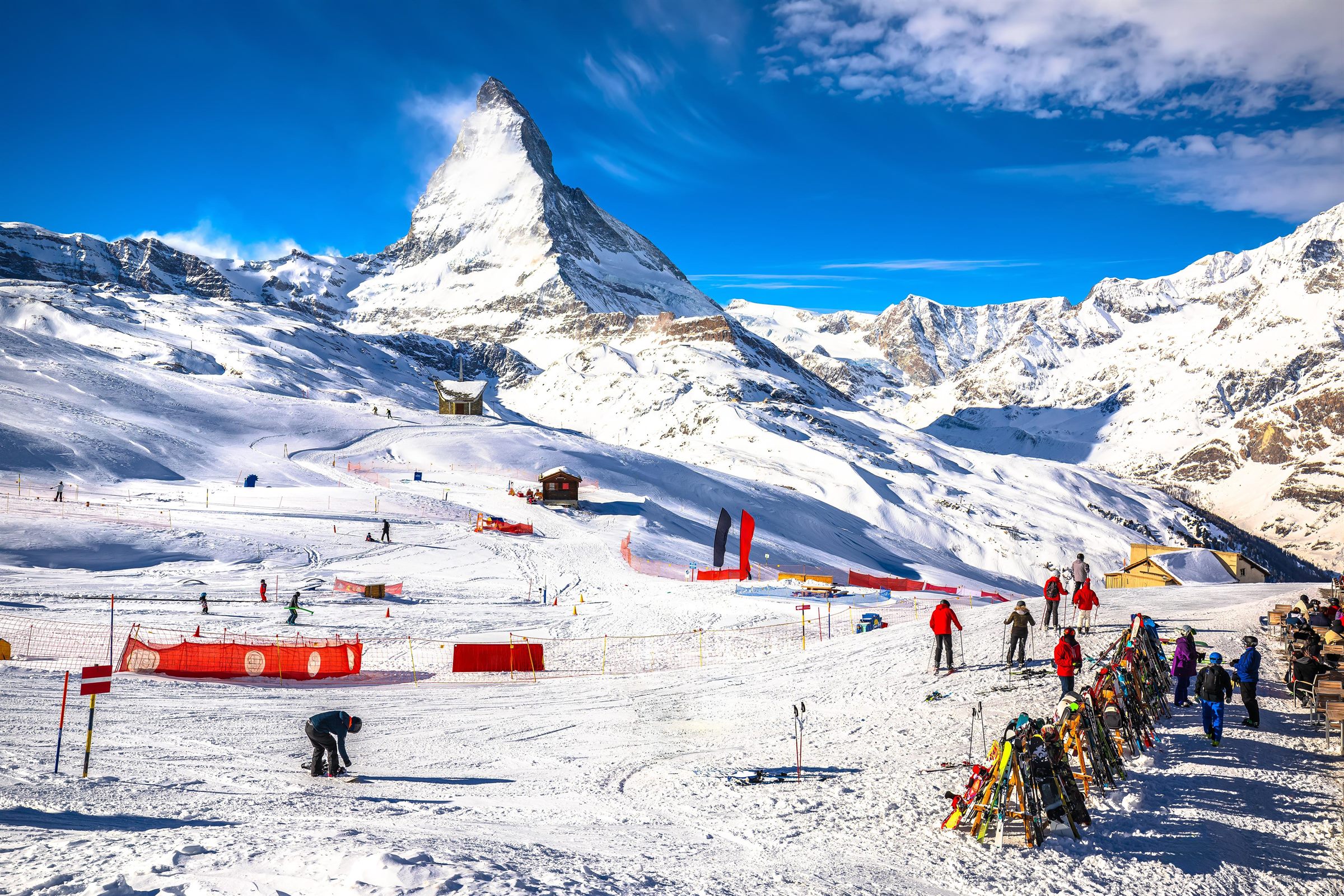
Chamonix, St. Anton and Zermatt — three valleys, one winter calendar.
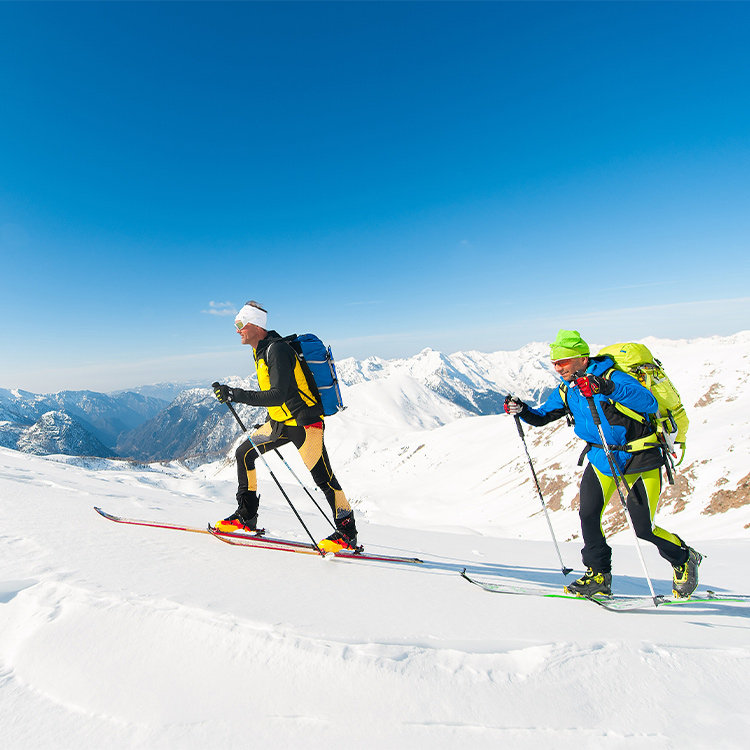
A gentle, playful introduction for ages 5–12. Small groups, dedicated nursery slopes and coaches who make the first snowplough feel like a small victory.
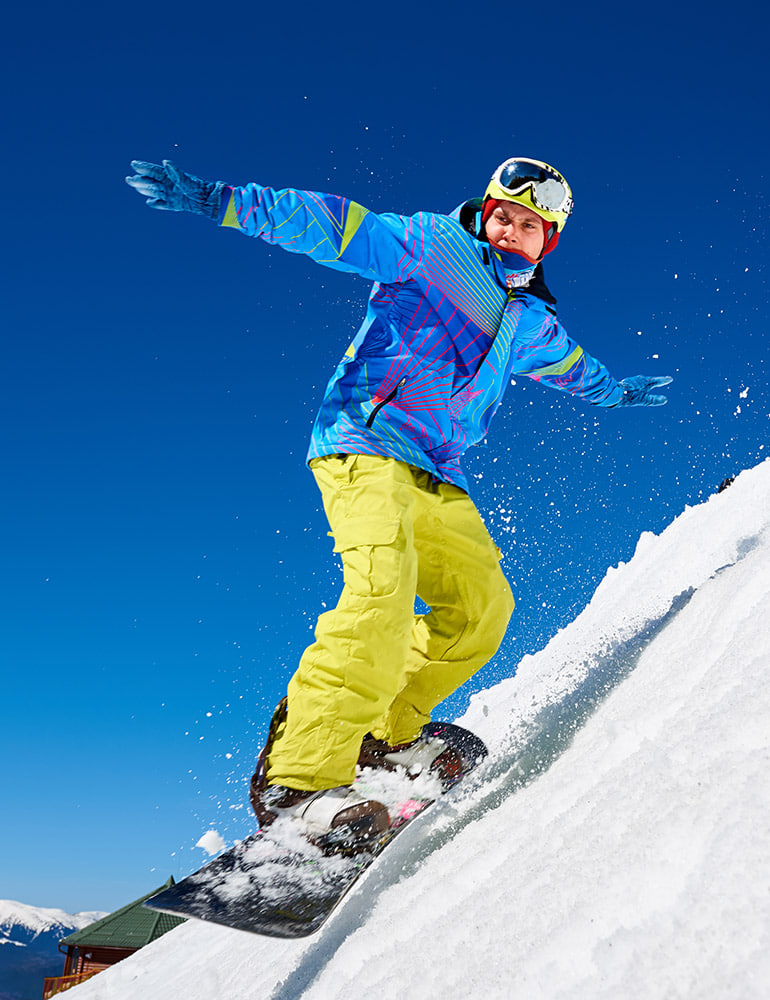
From first edge to first linked turn. We focus on balance, stance and confidence so that you leave the week riding on your own.
Structured progression for returning skiers: carving, terrain reading and off-piste technique, with video feedback every evening at the lodge.
Guided days across three valleys, long lunches in timber huts and a lodge that feels like home by the second evening.
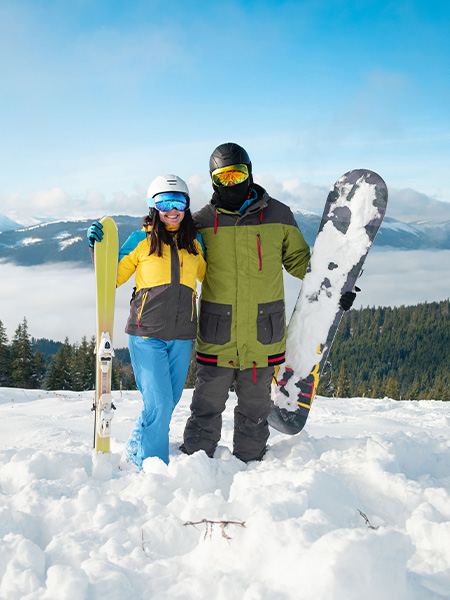
We have to explain how that mistaken idea — that pleasure is worth the pain — actually behaves on snow. Riding well is not a talent you are born with; it is a series of small, repeatable decisions. Here is how we teach them.
Boots fitted, edges filed and boards waxed before every session, tuned around your build and riding style so the equipment disappears and only the turn is left.
Nursery slopes, long groomed pistes and steep off-piste lines all sit inside the same valley. We match the day to your level, then push it exactly one step further.
Every coach holds a national alpine licence and years of guiding in the Alps. Small groups mean real feedback, not a queue behind the instructor.
We work with local guides, hut keepers and ski schools, so the mountain opens up in ways a single operator never could.
Nobody comes here for an average week. We measure your progress every day and adjust the plan until it shows.
Six days on the glacier rewired how I read a slope. The coaches watched every turn, and by Friday I was linking lines I would have avoided for years.
We built WINPHOLD for riders who want more than a holiday. Long days, real progression and a lodge that feels like home by the second evening.

My daughter arrived a nervous beginner and left skiing the whole mountain with a grin. The kids camps are patient, safe and genuinely fun.

Snow conditions change fast up here. Our team reads the forecast every morning and moves the programme to wherever the best snow is falling.
Bryan Knight
Founder, WINPHOLD
“A quick, well-judged call on the mountain changes the whole week. We make those calls every morning, so your journey keeps its line from first lift to last light.”
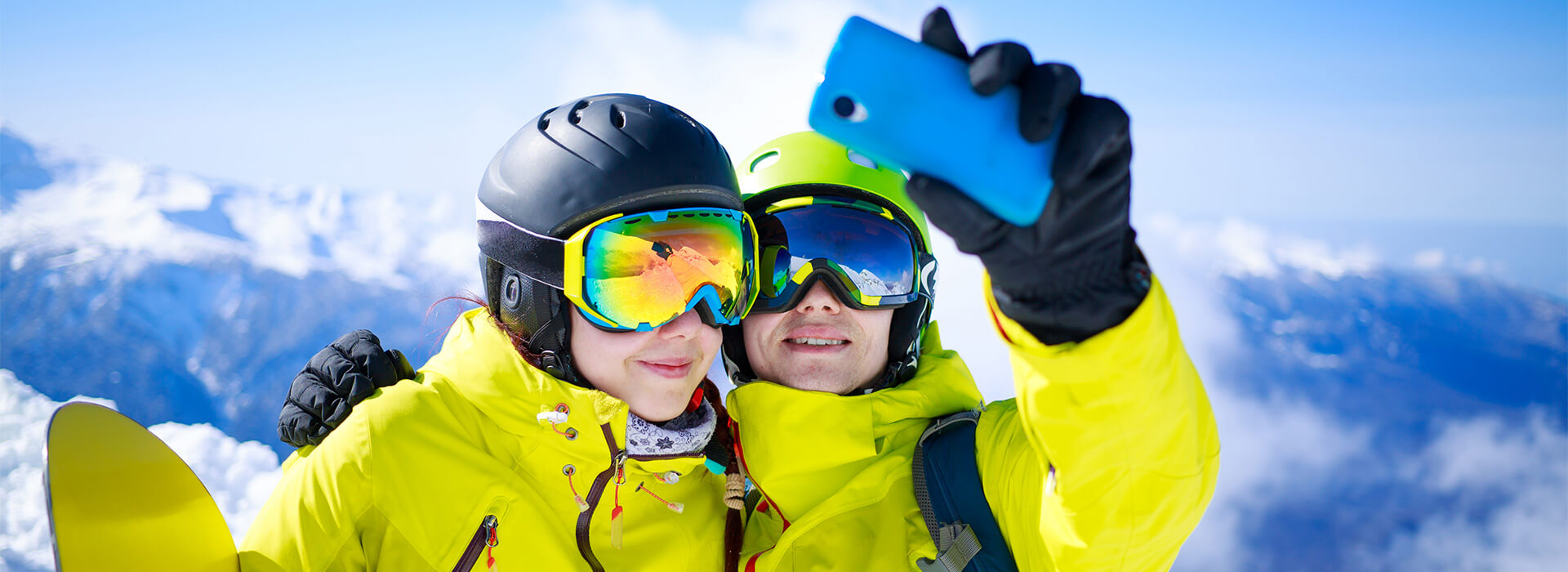
By the third morning I stopped thinking about my feet. The coaches rebuilt my turns from the ground up, and the mountain finally feels like it belongs to me.
Field notes · Winter Issue Nº 07
Europe does not believe in short seasons. From the first turns on the high glaciers in late October to the last soft slush of April, the Alps keep a rhythm of their own — and the only way to learn it is to live inside it for a week, or ten.
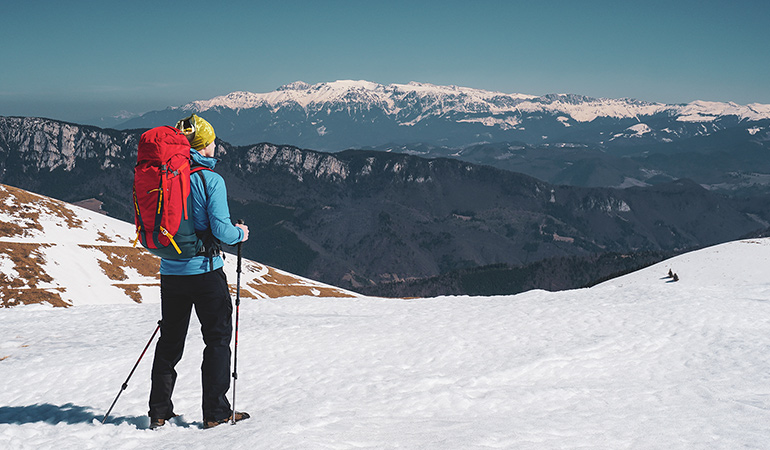
Ask anyone who has spent a full winter in the Alps what they remember, and they will rarely talk about the runs they ticked off. They will talk about the light at four in the afternoon, the hush that settles over a valley under fresh snow, and the moment a lift carries you above the cloud and the whole massif appears at once.
The European winter is not a two-week window. It is a slow, six-month conversation between altitude, weather and the people who build their year around snow. Resorts here sit anywhere between 800 and 3,900 metres, and that enormous range is what makes the continent so generous: when the lower slopes turn soft in March, the high glaciers are still cold, fast and empty. There is almost always somewhere to ski — you simply have to know which way to drive.
The first lifts start turning on the glaciers in October, long before the villages have swept their streets. Autumn skiing is a pared-back pleasure: a handful of runs, a hard early-morning surface, and a horizon that belongs entirely to you. By mid-December the Atlantic storms arrive and the valley floors fill in, and the mountain switches from a private playground to a full orchestra of lifts, ski schools and lunch queues.
It is also the season with the biggest mood swings. December can hand you a metre of cold smoke overnight — or a week of windless, blue high pressure that leaves the off-piste untouched and loud underfoot. Learning to read a forecast, and to change plans without regret, is half of what makes a European winter so satisfying.
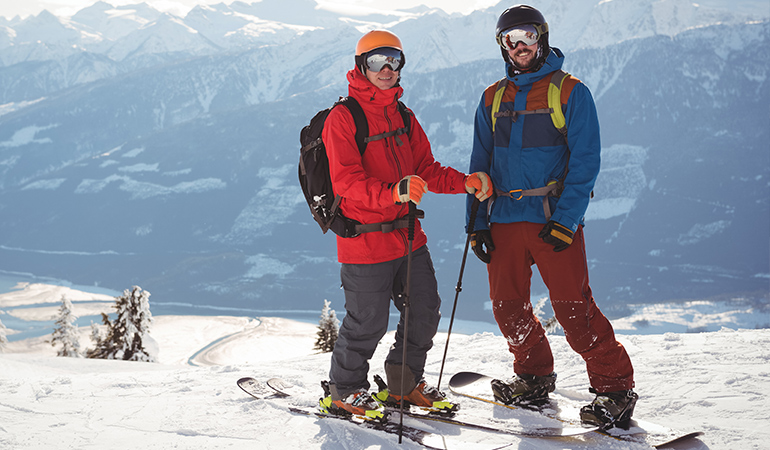
Europe has been teaching people to ski for well over a century, and it shows in the smallest details. Lessons start not on the mountain but in the nursery of the village: short boards, gentle carpet lifts and instructors who have spent their whole lives in the same valley. Children graduate from a first slide to a confident parallel turn in a week, and they do it while singing.
For adults the route is different but no less structured. Good coaching separates technique from terrain — first the mechanics of a carved turn on a wide, quiet piste, then the same movement again on a steeper face, then in the bumps, then in the deep. Progression is not a promise on a poster; it is written down, reviewed on video each evening and measured the next morning.
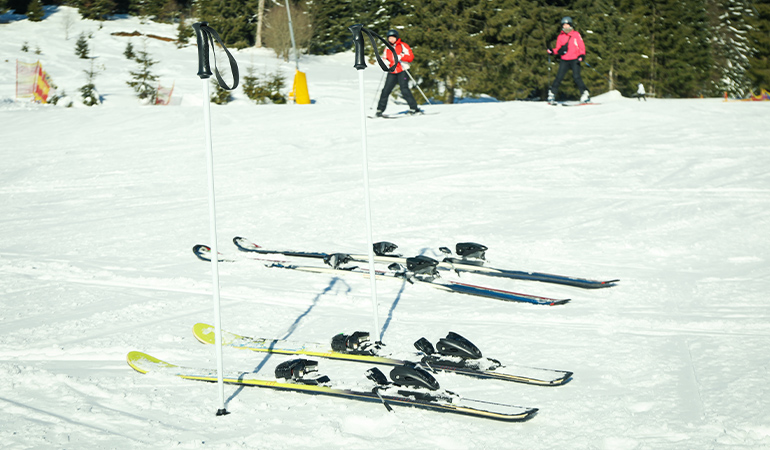
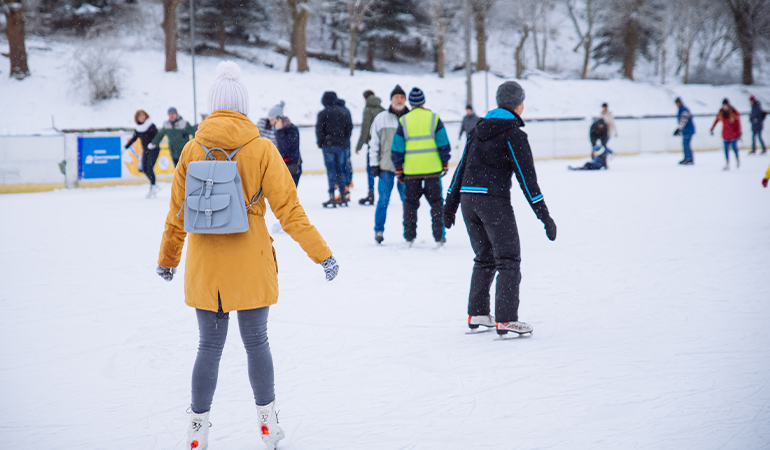
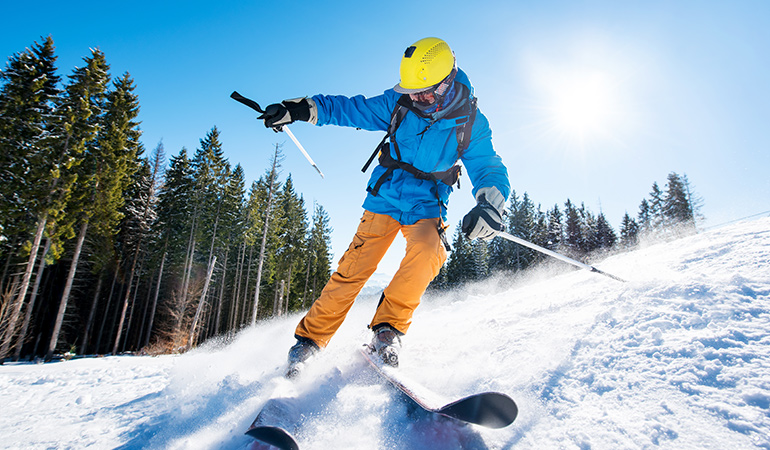
In the Alps you do not visit the winter. You join it.
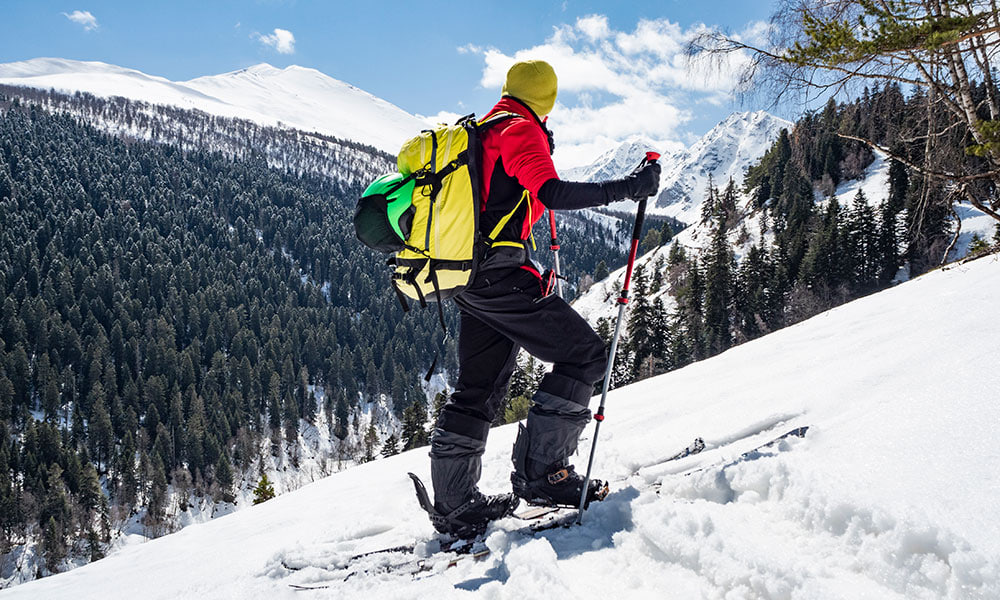
The real Alps begin where the marked runs end. Ski touring — climbing on lightweight skis with skins underfoot, then riding back down — is the fastest way to understand how big these mountains actually are. Start before dawn on a skin track and you will share the slope with nobody but a few chamois and the occasional very early guide.
It is not a discipline to bluff your way into. Almost every serious valley runs avalanche-awareness courses, and hiring a guide for your first days off-piste is the single best investment a skier can make in Europe. Guides know where the snow is stable and where it is not, and which of the three valleys on the horizon will be worth the drive tomorrow.
The same logic applies to the road. A European ski week is rarely about one resort. It is about being willing to move — an hour east for better snow, an hour south for sun, an hour up the valley for a glacier that opens two weeks before everything else.
European skiing has always been a social sport, and nowhere is that clearer than at lunch. Halfway up almost any mountain you will find a timber hut with a wood stove, a menu that has not changed in forty years and a terrace that fills the moment the sun comes out. Rösti, tartiflette, goulash and a bowl of soup the size of your helmet — the food is built for cold hands and long afternoons.
The villages are worth the journey even without skis. Stone streets, painted shutters, a church bell that still marks the hours, and a bakery that opens at six because the lift operators get there at seven. In the evening the mountain empties and the valley takes over: swimming pools under snow, ice rinks lit in the dark, and the peculiar European institution of the après-ski, which is really just a way of admitting that tomorrow's first lift is a long way off.
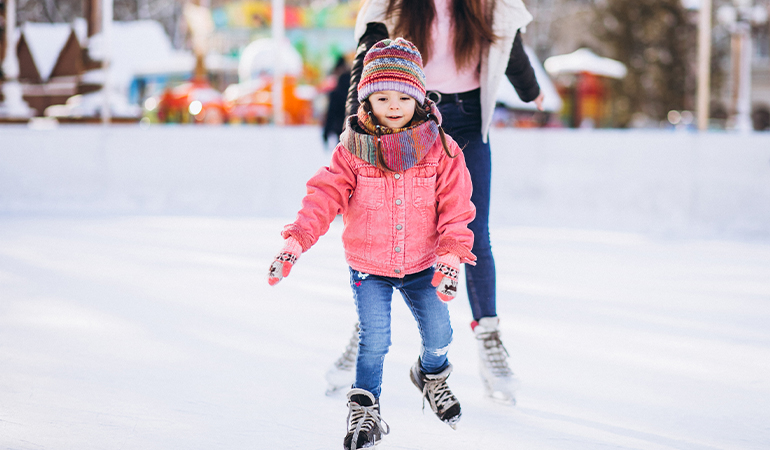
That is the Alps we build our camps around: a season that starts on a glacier and ends on a terrace, a mountain that rewards patience as much as nerve, and a culture that has spent generations working out how to enjoy the cold. Come for a week and you will understand the terrain. Come back for a second winter and you will begin to understand the rhythm.
Words by the WINPHOLD editorial team · Photographs from the 2025–26 season in Chamonix, St. Anton am Arlberg and Zermatt.
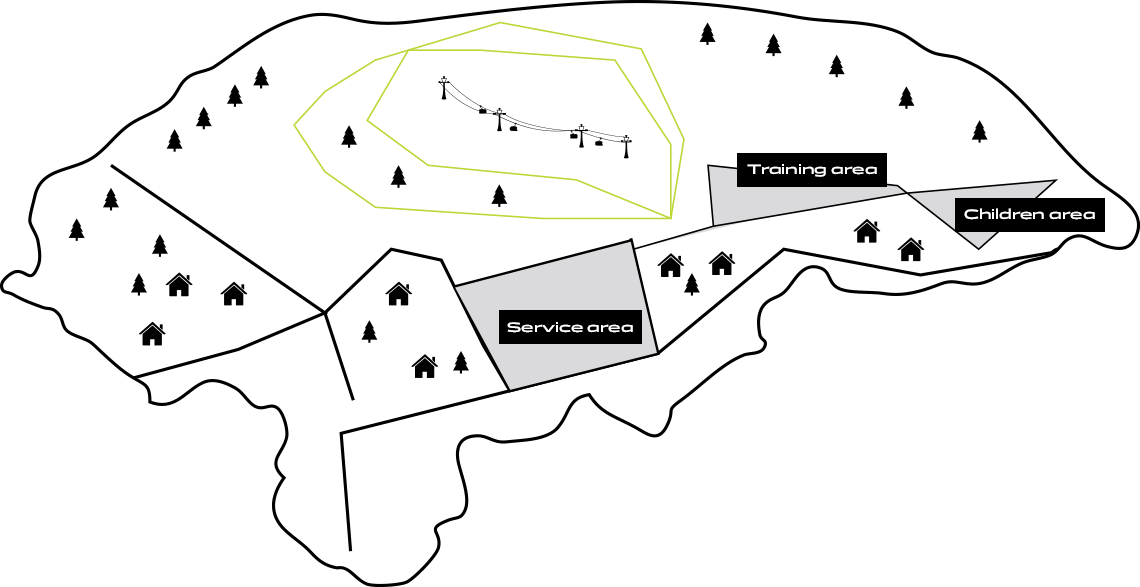
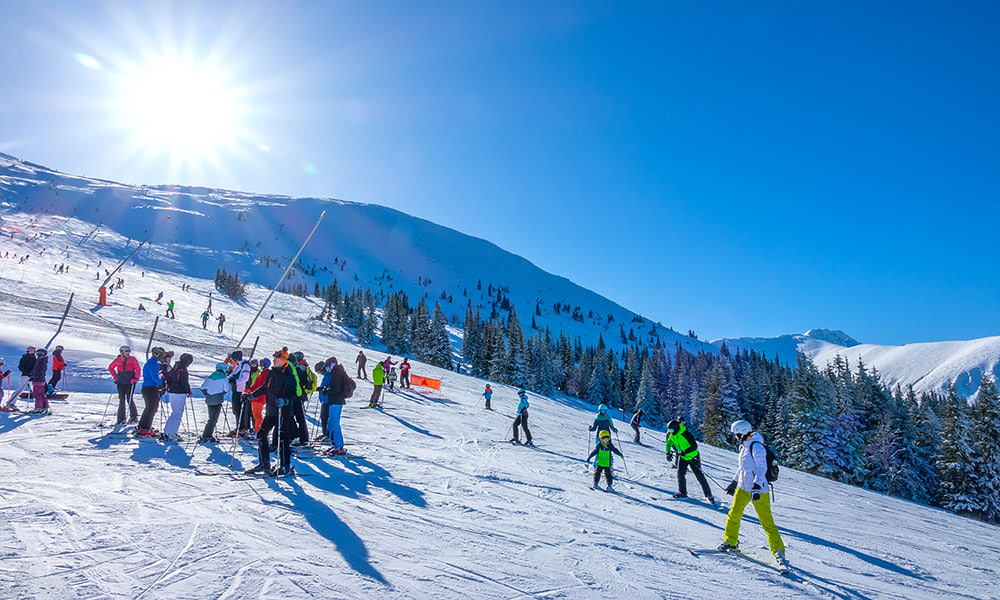
Three valleys, three characters. We run camps across the Alps so you can chase the best snow of the season — from wide groomers above Chamonix to steep couloirs in the Arlberg.
A short film shot across the season in Chamonix, St. Anton and Zermatt. Full edit screens at the end-of-season camp dinner; a trailer will be published in the next issue of the journal.